
It's a common sight: you reach for a carrot and find it's gone limp and rubbery. Before you toss it, it's important to know if it's just dehydrated or truly spoiled. This guide will help you use your senses to confidently tell the difference and reduce food waste in your kitchen.
Editor’s note: This guide provides general advice for identifying spoiled food. When it comes to food safety, the best rule is 'when in doubt, throw it out.' Trust your senses, and never consume food that looks, smells, or feels spoiled.
Key Takeaways
- A limp, rubbery carrot is usually just dehydrated and can be revived in cold water; it is not spoiled.
- Look for a slimy film, visible mold, or a sour smell—these are clear signs the carrot is bad and must be discarded.
- Do not try to salvage a slimy or moldy carrot by cutting off the bad spot, as contamination can run deep into the root.
- The powdery white film often seen on carrots is harmless dehydration, not a sign of dangerous spoilage.
Reading the Telltale Signs: What Bad Carrots Look and Feel Like
1. From Crisp to Rubbery: Is a Limp Carrot Still Good?
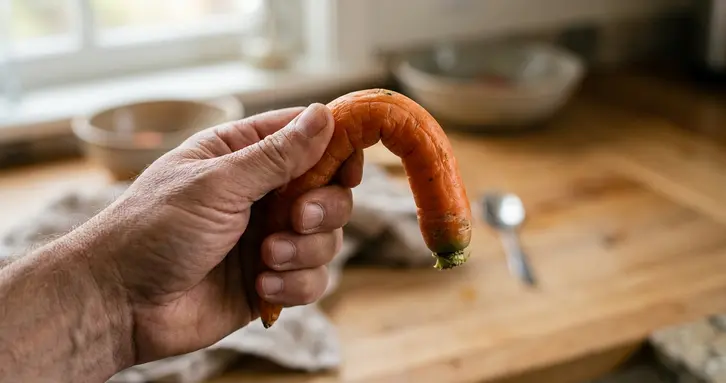
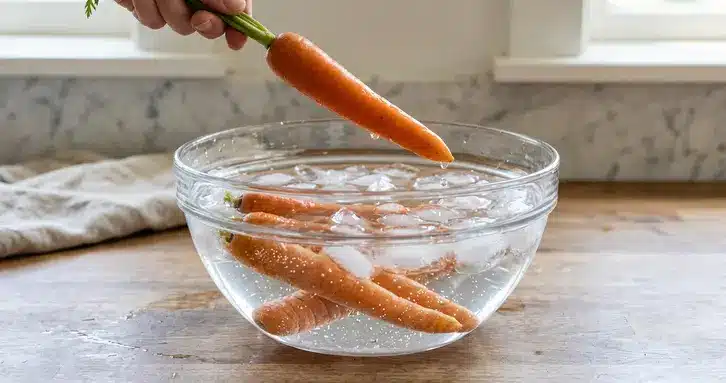
When carrots lose their firm, crisp texture and become flexible or rubbery, it's typically a sign of dehydration, not microbial spoilage. This limpness occurs as cells lose moisture and turgor pressure, but the carrot remains safe to eat, with its nutritional quality largely intact. To revive them, submerge limp carrots in a bowl of cold or ice water for about 30 to 60 minutes; they will reabsorb water and regain crispness.
It's crucial to distinguish this reversible dehydration from true microbial spoilage. If a carrot shows a slimy film, mold, or a sour, putrid odor, it's undergoing decomposition and must be discarded. These signs mean the carrot is unsafe, regardless of its texture. For more on identifying unsafe carrots, see our guide on how to tell if carrots are bad.
2. Decoding Surface Spoilage: Slime, Mold, and Dark Spots
True spoilage on carrots presents with distinct surface changes, signaling microbial activity. Look for a slimy, watery film with a foul odor, indicating bacterial soft rot that causes mushy tissue. Cottony white fungal growth, sometimes with small, hard black sclerotia, signals white mold (Sclerotinia sclerotiorum). Distinct, sunken dark brown to black lesions, often at the crown, signify black rot (Alternaria radicina), which can produce bitter compounds and internal decay [source].
These are distinct from "white blush," a harmless, dry, whitish film from surface dehydration. Unlike mere limpness, microbial spoilage penetrates deeply, rendering the entire carrot unsafe. Discard any carrot with slime, visible mold, or significant dark, mushy spots.
3. That Powdery White Film: A Sign of Dehydration, Not Danger
The powdery white film on carrots, often called "white blush," is a harmless sign of dehydration, not spoilage. This occurs when surface cells lose moisture and dry out, creating a whitish appearance, especially on peeled baby carrots due to their exposed surface. Carrots with white blush remain safe and nutritious.
To address it, simply rinse or lightly scrub the carrots. If they are also limp, soaking them in ice water for 15-30 minutes can restore crispness. Proper storage in a sealed bag in the refrigerator's crisper drawer helps maintain humidity and prevent white blush. Crucially, distinguish this from actual mold or slime, which signal spoilage and make carrots unsafe to eat.
Trust Your Senses: The Unmistakable Smells of Spoilage
1. The Difference Between Earthy and 'Off'
Fresh carrots possess a distinct earthy aroma, a natural characteristic that signals their healthy condition. This scent is your baseline for comparison.
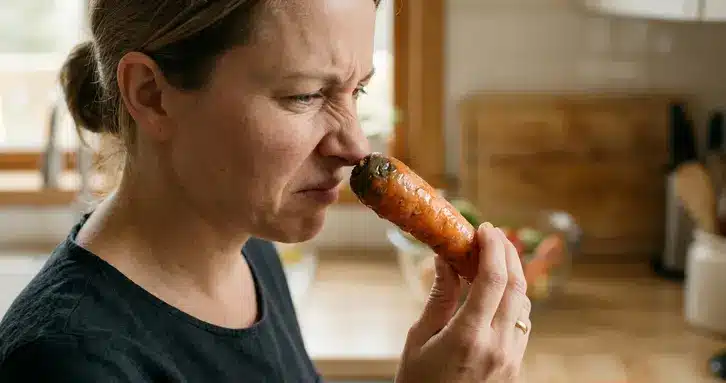
When carrots begin to spoil, their smell shifts dramatically from earthy to various "off" odors. These can be described as sour, fermented, or putrid, and they are definitive indicators of active microbial decomposition. A putrid smell, in particular, signifies advanced spoilage caused by bacteria breaking down proteins in an oxygen-deprived environment. Any presence of these sour, fermented, or putrid smells means the carrot should be discarded immediately to avoid potential health risks.
2. Sour, Fermented, or Musty: Odors That Signal 'Toss It'
When assessing carrots, your sense of smell is a definitive indicator of true spoilage. Fresh carrots have an earthy aroma, but a spoiled carrot will emit distinct sour, fermented, or even putrid odors. A musty smell can also signal fungal growth. These unpleasant smells are the result of microbial decomposition, where bacteria like Pectobacterium carotovorum break down the carrot's cell walls, releasing volatile, foul-smelling compounds. This process is distinct from simple dehydration, which only causes limpness.
Once these odors are present, the carrot is compromised throughout its tissue and should be discarded immediately. Attempting to trim off visibly affected areas is not recommended, as microbial contamination and their byproducts can penetrate deeply, making the entire root unsafe to eat and potentially causing digestive upset.
Beyond the Surface: Bitterness and Hidden Rot
1. Why Do My Carrots Taste Bitter or Soapy?
Carrots develop a bitter or soapy taste primarily due to stress. Bitterness comes from 6-methoxymellein (isocoumarin), a defense compound produced when carrots endure physical damage, water stress, or chilling injury from prolonged storage below 41°F (5°C). Ethylene gas, released by ripening fruits, also triggers this. Soapy flavors stem from terpenoid compounds under similar stress.
To prevent bitterness, store carrots separately from ethylene-producing fruits. Keep them in the coolest part of your refrigerator's crisper drawer, ideally in a perforated bag for air circulation and humidity. This minimizes water loss and chilling injury, helping extend carrot shelf life. While generally safe, deep peeling can reduce bitterness. Discard carrots with extreme bitterness if accompanied by other spoilage signs.
2. Checking the Core for Internal Decay
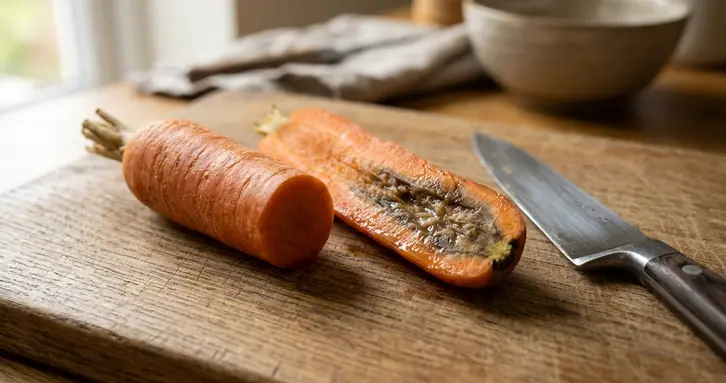
To inspect for internal decay, cut the carrot lengthwise and crosswise. Examine the core and inner tissues for unusual discoloration like dark spots, pale areas, or a yellowish-orange hue. Mushiness, wateriness, or a foul odor indicate bacterial soft rot, while fluffy white fungal mycelium points to white mold. While internal bitterness, caused by physiological stress such as ethylene exposure, is not harmful, it makes the carrot unpalatable. If any microbial rot is present internally, discard the entire carrot, as contamination often penetrates deeper than what is visibly apparent, making trimming unsafe.
From Salvage to Storage: Keeping Carrots Fresher, Longer
1. The 'Cut and Keep' Rule: When Is It Actually Safe?
Many gardeners wonder if they can simply cut off a bad spot on a carrot and eat the rest. The answer depends entirely on the type of damage. If a carrot is merely limp or has a harmless "white blush" from dehydration, it's safe to eat and can often be rehydrated. This is not true spoilage.
However, for microbial spoilage, such as bacterial soft rot (characterized by sliminess, mushiness, and a foul odor) or most molds, it's safest to discard the entire carrot. Organisms like Pectobacterium carotovorum or Sclerotinia sclerotiorum can spread unseen hyphae or toxins far deeper into the tissue than is visibly apparent, making the whole vegetable unsafe or unpalatable. While small, dry, superficial spots of black rot might be trimmed away, caution is still advised due to potential unpalatable or mildly toxic compounds.
2. How to Revive Limp Carrots in Cold Water
If your carrots have lost their crispness and become limp or rubbery, they are likely just dehydrated, not spoiled. This happens when the plant cells lose water, reducing their turgor pressure. You can easily revive them by submerging them in cold or ice water. Place the limp carrots in a bowl, ensuring they are fully covered, and let them soak for 15 minutes to an hour, or until they regain their firm texture.
This process works through osmosis, where the carrot cells reabsorb water from the colder environment, restoring their internal pressure and making the carrot firm again. This rehydration method is effective only for limpness due to dehydration; carrots showing signs of microbial spoilage, such as sliminess, mold, or foul odors, should be discarded. For more details on storage and shelf life, consult our guide on how long carrots last.
3. Proper Storage to Prevent Spoilage in the First Place
To prevent carrots from spoiling, the most effective strategy is proper storage from the moment they're harvested or brought home. Carrots thrive in cool, moist conditions, ideally between 32-34°F (0-1°C) with 90-95% relative humidity. This environment significantly slows respiration and inhibits microbial growth, preventing both dehydration and the development of bitter compounds.
For short-term storage, place unwashed carrots with their green tops removed in a perforated plastic bag or a container with a slightly open lid within your refrigerator's crisper drawer. Removing the tops is crucial, as they draw moisture from the roots, leading to limpness. For longer periods, such as in a root cellar, layer unwashed carrots in moist (not wet) sand, sawdust, or peat moss to maintain hydration and protect against freezing. Always store carrots away from ethylene-producing fruits like apples, which can accelerate spoilage and induce bitterness.
Final Thoughts
Knowing how to tell if carrots are bad is a simple skill that prevents unnecessary food waste. Instead of relying on texture alone, trust your eyes and nose to spot the real signs of spoilage like slime or a sour odor. A quick check is all it takes to decide whether to revive a limp carrot for dinner or send a truly spoiled one to the compost bin.
Use these tips the next time you check your vegetable drawer.
About the Author
Julia Wilson is a hands-on gardener and editor for LeekGarden who focuses on practical, research-aware guidance. Her writing translates kitchen and garden science into simple checks anyone can use, helping readers reduce food waste and make confident decisions based on real-world observation.
About Us
LeekGarden.com is a passionate gardening blog created by Julia Wilson, a dedicated gardener from Texas who started her journey with a small vegetable garden to stretch her family's grocery budget while raising two kids. Here, you'll find practical tips, honest product reviews (like the best leaf blowers and hand pruners), and real-life stories from successes and failures in the garden. Whether you're a beginner dipping your toes into soil or a hobby gardener seeking weekend projects, this site aims to inspire you to connect with nature, grow your own food, and enjoy the therapeutic benefits of gardening. Pull up a chair, explore the guides, and get your hands dirty – let's grow together!