
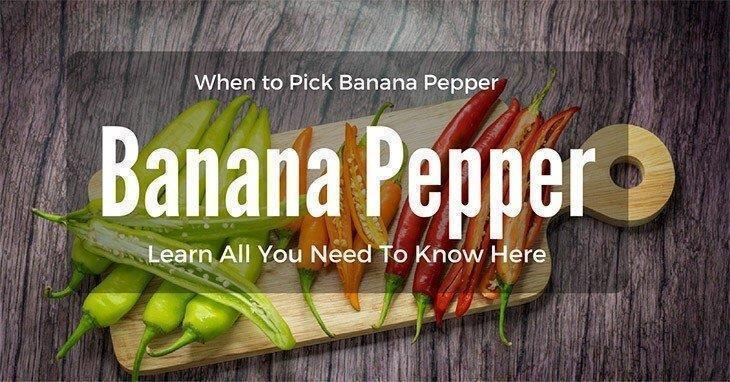
Deciding when to pick banana peppers isn't just about size; it's a trade-off between flavor and the length of your harvest season. Many gardeners see bright yellow peppers and assume they're ready, but waiting can unlock sweeter flavors, while picking early encourages the plant to produce more. This guide will help you choose the right moment based on how you plan to use your peppers.
Editor’s note: Since this guide involves harvesting food, always use clean hands and sanitized tools like shears or knives to prevent transferring any contaminants to your peppers.
Key Takeaways
- Pick banana peppers when they are pale yellow-green for a tangy flavor and crisp texture, which is ideal for pickling.
- For maximum sweetness, allow peppers to ripen on the vine until they turn orange or red, but this may reduce the plant's total yield.
- Always use sharp shears to cut the pepper's stem; pulling them off by hand can easily break branches and damage the plant.
- Sweet banana peppers will not get hotter as they ripen, but hot varieties will increase in pungency as they turn from yellow to red.
Reading the Signs: Is Your Banana Pepper Ready?
1. Gauging by Size and Firmness
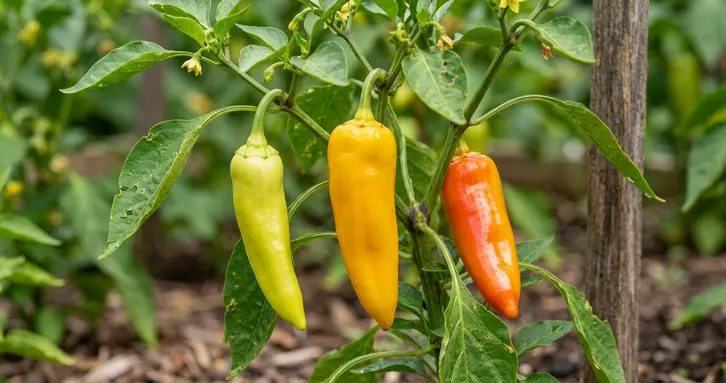
Banana peppers are generally ready for harvest when they reach a mature length of 4 to 6 inches (10-15 cm). At this stage, the pepper should feel firm and crisp to the touch, with smooth, glossy skin. This firmness is a key indicator of optimal water content and structural integrity, which translates to a desirable crisp texture, particularly important if you intend to pickle them.
To check, gently squeeze the pepper; it should offer slight resistance without feeling hard or mushy. Harvesting at this ideal size and firmness, typically when the pepper is still pale yellow-green, encourages the plant to continue producing more fruit, thereby maximizing your overall yield for the season. Waiting too long can result in soft, potentially off-flavored peppers or increased susceptibility to rot on the plant.
2. The Color Spectrum: From Pale Green to Crimson Red
Banana peppers reveal their ripeness through a distinct color spectrum. They begin as pale yellow-green, a stage often preferred for pickling due to their firm texture and tangy flavor from higher organic acids. As they mature, chlorophyll breaks down, and carotenoid pigments emerge, turning them golden yellow, then orange, and finally deep red. This progression significantly increases sweetness as sugars accumulate and acidity decreases. Fully ripened orange and red peppers offer maximum sweetness and a softer texture, ideal for fresh eating or roasting. While sweet banana peppers maintain their mild heat, hot varieties can become spicier as they turn red Growing Peppers.
To ensure continuous production and prevent plant damage, always harvest by cutting the stem with sharp shears, leaving about a half-inch attached.
3. Using 'Days to Maturity' as a Guideline
"Days to Maturity" (DTM) provides an estimated timeframe for when your banana pepper plants will begin producing harvestable fruit, typically 60-75 days after transplanting. At this initial stage, peppers are generally pale yellow-green, firm, glossy, and smooth. It's crucial to view DTM as a guideline, not a fixed date, as specific cultivar, local climate, and growing conditions can influence actual maturity. Begin actively inspecting your plants as the 60-day mark approaches, always confirming readiness by assessing the pepper's size, color, and firmness. This timeframe helps you anticipate the onset of continuous harvesting, rather than providing a precise date for individual fruit ripeness.
Harvest Timing and Your Taste Buds
1. For Tang and Crunch: The Case for Picking Young
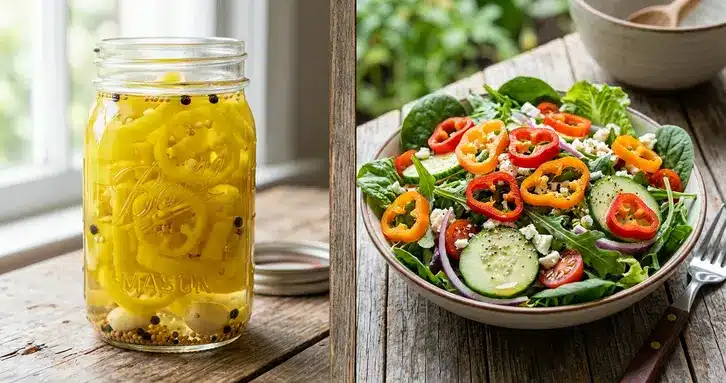
For a distinct tangy flavor and crisp texture, ideal for pickling, harvest banana peppers at their young, pale yellow-green stage. At this point, approximately 60-75 days after transplanting, the peppers should be 4-6 inches (10-15 cm) long with firm, glossy skin. Their tanginess comes from higher organic acid content before significant sugar accumulation, contributing to a snappy bite.
To maximize your plant's overall yield and encourage continuous production, use sharp shears to cut the stem about a half-inch above the pepper. This prevents damage to the plant's brittle branches, which is a common issue if peppers are pulled by hand.
2. For Peak Sweetness: Letting Peppers Turn Orange and Red
For the sweetest banana peppers, allow them to ripen fully on the plant until they turn vibrant orange or deep red. This color transformation indicates a metabolic shift where chlorophyll breaks down, and sugars like glucose and fructose accumulate, resulting in a significantly sweeter flavor profile and increased Vitamin C content. This process can take several weeks after the pepper reaches its initial yellow-green size, varying with cultivar and sunlight.
While these fully ripened peppers offer superior individual sweetness, waiting for this stage often reduces the plant's overall seasonal yield. Always use sharp shears to cut the stem about half an inch above the fruit, preventing damage to the plant.
3. Does Ripeness Affect the Heat Level?
The impact of ripeness on a banana pepper's heat level depends entirely on whether you're growing a sweet or hot variety. Sweet banana peppers, which typically rate 0-500 Scoville Heat Units (SHU), do not develop heat as they mature. They lack the genetic ability to produce capsaicin, the compound responsible for pungency, so a yellow sweet banana pepper will have the same heat level as a red one. It's a common misconception that leaving sweet peppers on the plant longer will make them spicy.
For hot banana pepper types, such as Hungarian Wax, the capsaicin concentration generally increases as the fruit ripens from yellow to orange and then red. If you prefer a milder heat, harvest these hot varieties at their earlier, yellow stage. For a more intense pungency, allow them to fully ripen on the plant.
How to Pick Peppers to Keep the Plant Producing
1. Why You Should Always Cut, Never Pull
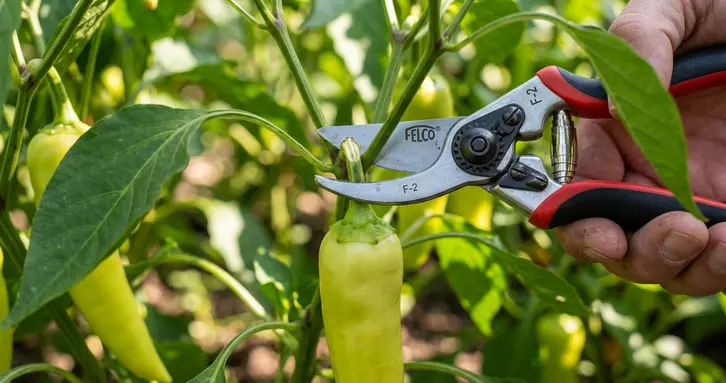
To ensure your banana pepper plants continue producing fruit throughout the season, always cut peppers from the plant rather than pulling or twisting them. Pepper plants have somewhat brittle branches and relatively shallow root systems. Yanking a pepper can easily snap a branch, damage the main stem, or even partially uproot the plant. This damage triggers the plant's repair mechanisms, diverting vital energy from developing new fruits to healing itself, which significantly reduces future yields.
For a clean harvest that promotes continuous production, use sharp, clean pruning shears, scissors, or a knife. Make a swift, clean cut through the stem (peduncle) about 0.5 to 1 inch (1.25 to 2.5 cm) above the pepper's cap. This method minimizes stress on the plant, allowing it to redirect energy towards producing new flowers and fruits.
2. Leaving the Right Amount of Stem for Better Storage
Leaving a short stem, or peduncle, attached to your banana peppers is crucial for extending their post-harvest storage life. This stem acts as a natural barrier, preventing moisture loss and blocking decay-causing microorganisms from entering the fruit. Peppers harvested without an intact stem or with a damaged stem are prone to shriveling and spoilage, significantly reducing their shelf life.
For optimal storage, use sharp pruning shears or a knife to make a clean cut about 0.5 to 1 inch (1.25 to 2.5 cm) above the cap of the fruit. Avoid pulling or twisting, as this can damage the stem or the pepper's skin, creating entry points for pathogens. Always use clean, sharp tools to minimize damage, and ensure the stem isn't so long it could puncture other peppers during storage.
After the Pick: Storage and Common Timing Mistakes
1. Best Practices for Storing Fresh Banana Peppers
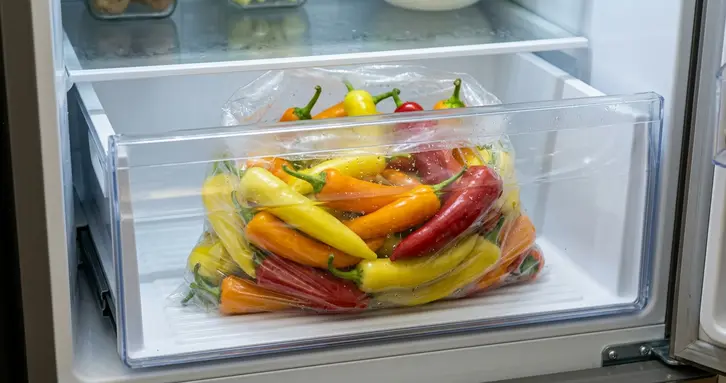
To keep fresh banana peppers at their best for 2-3 weeks, store them unwashed in a plastic bag within your refrigerator's crisper drawer. The ideal conditions are cool, between 45-55°F (7-13°C), with high humidity (90-95%). This high humidity is crucial because peppers have thin skins and lose moisture easily, leading to wilting. Avoid storing them near ethylene-producing fruits like apples or tomatoes, as this can accelerate spoilage. For longer preservation, wash, stem, and seed the peppers, then cut them as desired and freeze them for 8-12 months without blanching. Be aware that temperatures below 45°F can cause chilling injury, resulting in pitting and softening.
2. What Happens If You Pick Too Early or Too Late?
Picking banana peppers too early, when they are still pale yellow-green and immature, results in a less developed flavor profile. These peppers are often more tart, have lower sugar (Brix) and Vitamin C content, and will not continue to ripen or sweeten off the plant. Their texture may also be less firm.
Conversely, leaving peppers on the plant for too long can lead to over-ripening. This causes them to become soft, mushy, or mealy, making them less desirable for fresh eating or pickling, and it significantly reduces their storage life. Crucially, delaying harvest signals the plant to slow or cease new flower and fruit production, drastically reducing the overall yield for the season. Consistent, timely harvesting encourages the plant to produce more peppers.
Final Thoughts
The best time to harvest banana peppers truly depends on your kitchen plans. Picking them young and yellow gives you a tangy crunch for pickling and a longer harvest season. Letting them ripen to red delivers a sweeter, richer flavor for fresh eating. Observe your peppers, decide on your goal, and don't be afraid to pick them at different stages to discover what you like best.
Apply these timing tips to your harvest this week.
About the Author
Julia Wilson is a hands-on gardener and editor for LeekGarden who focuses on practical, research-aware guidance for real home gardeners. Her writing combines field-level observation of common homeowner mistakes with extension-style references to make garden decisions easier to apply, ensuring you get the most from your plants.
About Us
LeekGarden.com is a passionate gardening blog created by Julia Wilson, a dedicated gardener from Texas who started her journey with a small vegetable garden to stretch her family's grocery budget while raising two kids. Here, you'll find practical tips, honest product reviews (like the best leaf blowers and hand pruners), and real-life stories from successes and failures in the garden. Whether you're a beginner dipping your toes into soil or a hobby gardener seeking weekend projects, this site aims to inspire you to connect with nature, grow your own food, and enjoy the therapeutic benefits of gardening. Pull up a chair, explore the guides, and get your hands dirty – let's grow together!